Background

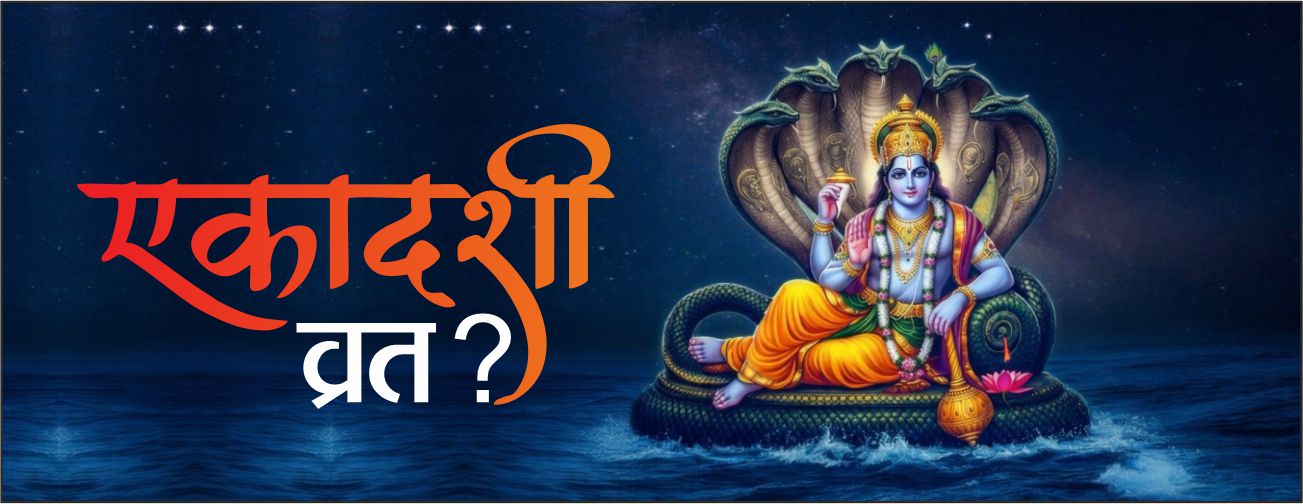
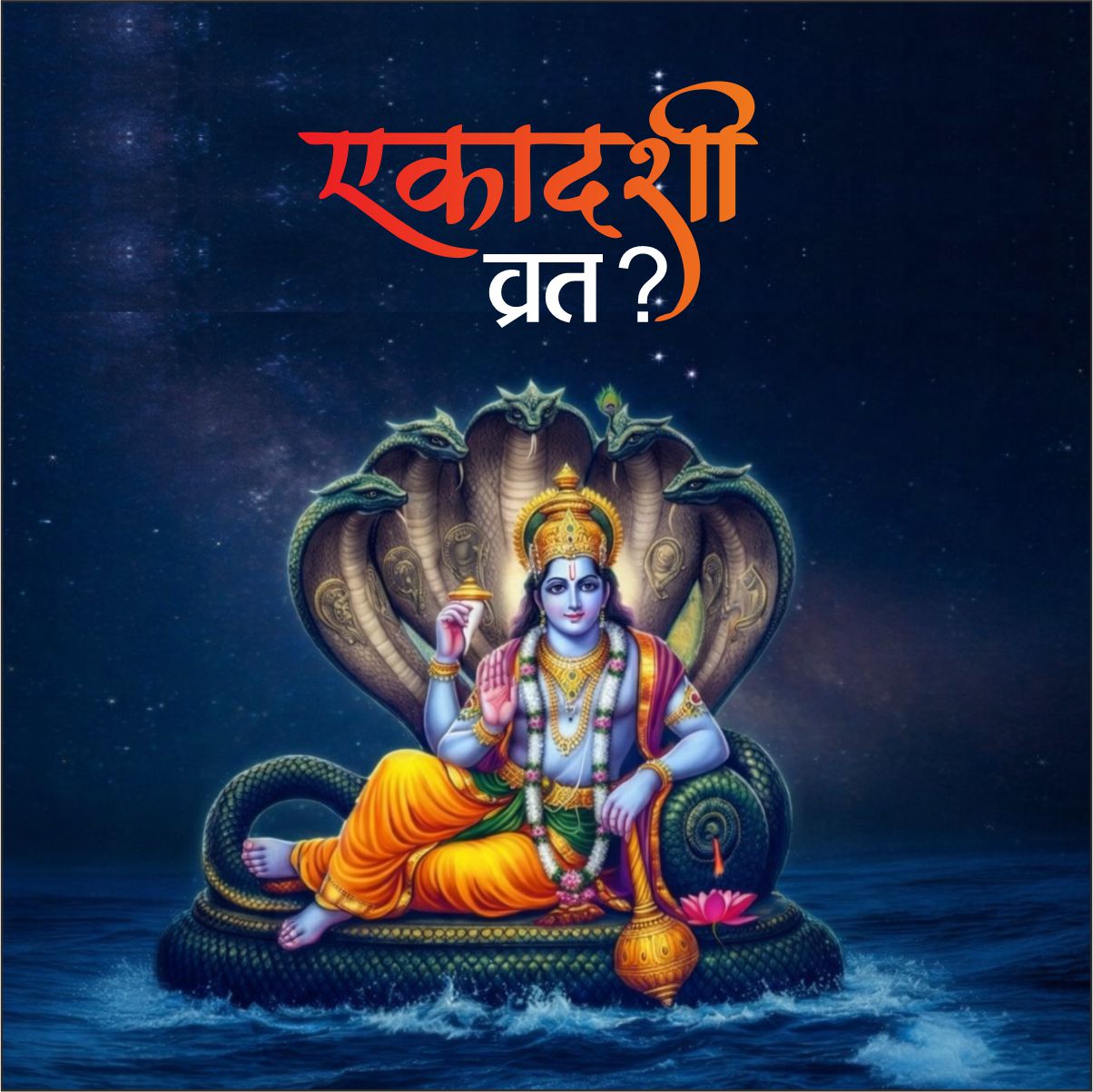
What is Ekadashi Vrat?

The Ekadashi fast is considered extremely sacred and auspicious in Hinduism. This fast is observed on the eleventh day of both the waxing and waning phases of the moon each month. On this day, the body is kept free from grains, and the mind is focused on God. It is believed that grains acquire a special kind of Rajas and Tamas (qualities associated with passion and inertia) on this day, which disturbs the mind. Therefore, it is considered appropriate to abstain from grains on Ekadashi and consume a sattvic (pure) diet or fruits.


The main purpose of Ekadashi is not merely to abstain from food, but to practice self-control and purify the mind. On this day, devotees chant the names of Lord Vishnu, Narayana, Krishna, or Hari, worship the Tulsi plant, and stay awake at night singing hymns and devotional songs. Ekadashi is not just a fast, but a day of self-purification and spiritual practice, during which one relinquishes inner impurities and embraces devotion and virtuous intentions.

---------------------------
CONSULT YOUR

              PUROHIT

<p style="line-height: 1;"><span style="font-family: 'book antiqua', palatino; font-size: 20pt;"><span style="color: #ced4d9; font-size: 18pt;"><span style="color: #e67e23;">---------------------------</span><br><span style="color: #7e8c8d;">CONSULT YOUR</span></span> </span><br><span style="font-family: 'book antiqua', palatino; font-size: 20pt; color: #e67e23;">&nbsp; &nbsp; &nbsp; &nbsp; &nbsp; &nbsp; &nbsp;<strong> <span style="font-size: 22pt;">PUROHIT</span></strong></span></p>
Featured

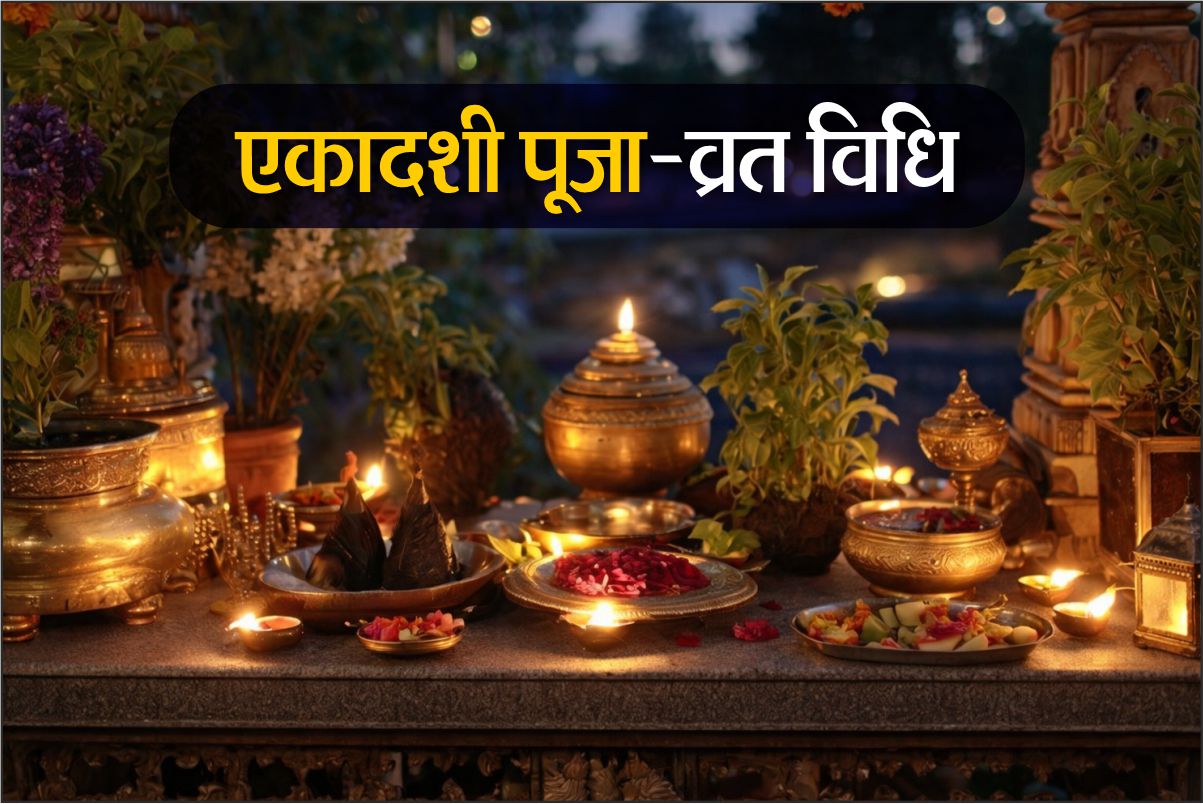
Ekadashi Puja and Fasting Procedure

Take a bath early in the morning and wear clean clothes.
Purify the image/idol of Lord Vishnu with Ganges water.
Light a lamp and offer basil leaves and yellow flowers.
Chant "Om Namo Bhagavate Vasudevaya" or the Vishnu Sahasranama.
Avoid grains, pulses, rice, wheat, etc.
Consume fruits, dry fruits, honey, milk, etc.
Recite the Bhagavad Gita in the evening.
Perform devotional singing and keep vigil at night.
On the next day, Dwadashi, break your fast by feeding a Brahmin or a needy person.
Featured

Ekadashi Vrat – Who should observe it?

Those who are interested in a religious and spiritual life.
Those who seek liberation from their sins and the attainment of merit.
Those who wish to practice physical and mental discipline.
Those who wish to attain the devotion and grace of Lord Vishnu.
People who make vows for the happiness, health, and prosperity of their family.
Especially married couples seeking the joy of parenthood and the well-being of their family lineage.
Featured

Who Should Avoid Ekadashi Vrat?

  • Individuals suffering from serious health problems, such as weak physical condition, illnesses, etc.
  • Pregnant women and breastfeeding mothers, unless permitted by a doctor.
  • Children and those for whom prolonged fasting may be harmful.
  • Individuals who are under extreme mental stress or are mentally frail.
  • Those for whom abstaining from food or water is risky due to a medical condition.


Please note: The Ekadashi fast should be observed with faith, self-control, and devotion. If health or circumstances do not permit, the merit of the fast can still be attained by consuming tulsi leaves, fruits, and light meals.
List of Ekadashi Vrat Anusthan

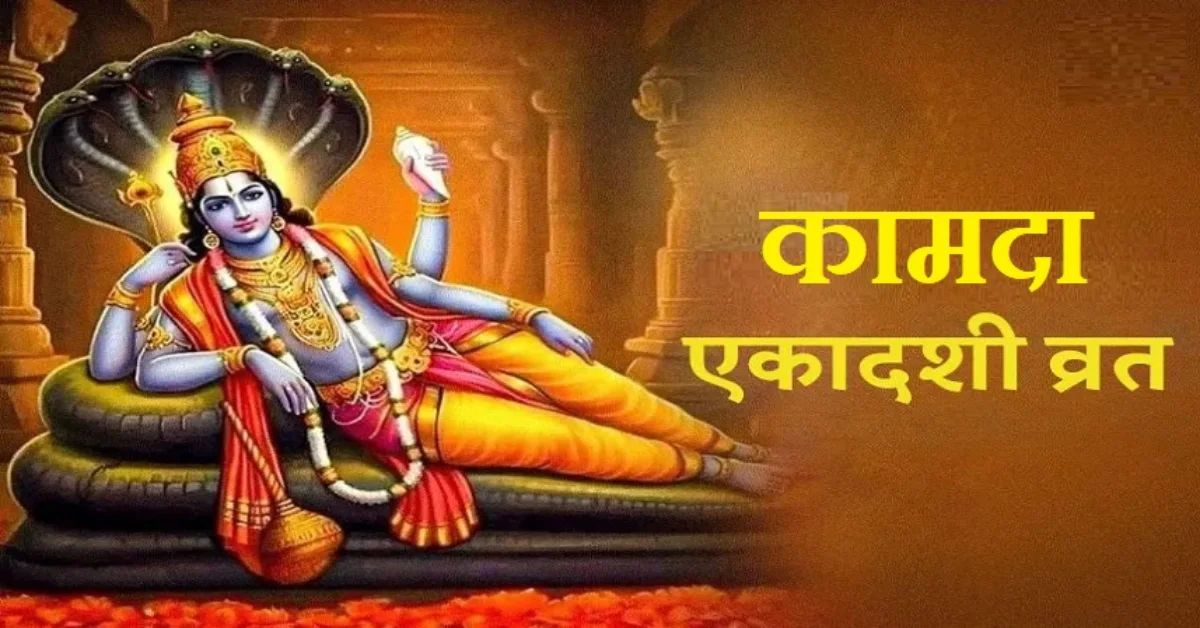
<p style="text-align: center;"><span style="color: #7d4219; font-size: 14pt;"><strong><span style="font-family: 'book antiqua', palatino;">Kamada Ekadashi <br>(Chaitra Shukla Paksha)</span></strong></span></p>

Kamada Ekadashi
(Chaitra Shukla Paksha)

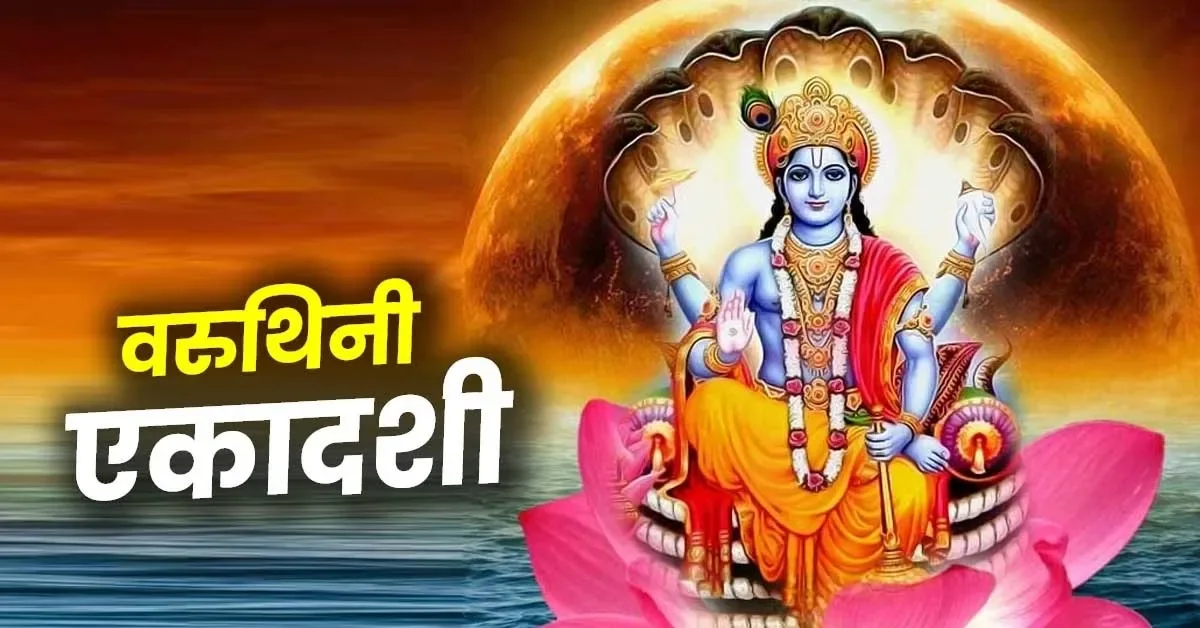
<p style="text-align: center;"><span style="color: #7d4219;"><strong><span style="font-family: 'book antiqua', palatino; font-size: 14pt;">Varuthini Ekadashi <br>(Vaishakha Krishna Paksha)</span></strong></span></p>

Varuthini Ekadashi
(Vaishakha Krishna Paksha)

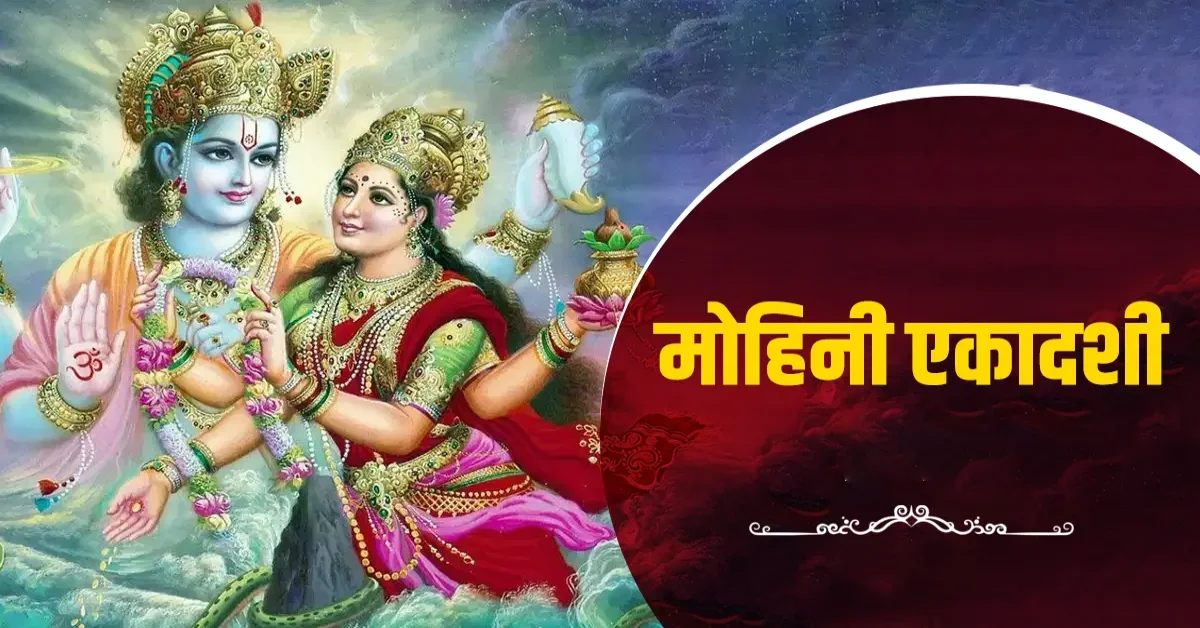
<p style="text-align: center;"><span style="color: #7d4219;"><strong><span style="font-family: 'book antiqua', palatino; font-size: 14pt;">Mohini Ekadashi </span></strong></span><br><span style="color: #7d4219;"><strong><span style="font-family: 'book antiqua', palatino; font-size: 14pt;">(Vaishakh Shukla Paksha)</span></strong></span></p>

Mohini Ekadashi
(Vaishakh Shukla Paksha)

<p style="text-align: center;"><span style="color: #7d4219;"><strong><span style="font-family: 'book antiqua', palatino; font-size: 14pt;">Achala Ekadashi </span></strong></span><br><span style="color: #7d4219;"><strong><span style="font-family: 'book antiqua', palatino; font-size: 14pt;">(Jyeshtha Krishna Paksha)</span></strong></span></p>

Achala Ekadashi
(Jyeshtha Krishna Paksha)

<p style="text-align: center;"><span style="color: #7d4219;"><strong><span style="font-family: 'book antiqua', palatino; font-size: 14pt;">Nirjala Ekadashi </span></strong></span><br><span style="color: #7d4219;"><strong><span style="font-family: 'book antiqua', palatino; font-size: 14pt;">(Jyeshth Shukla Paksha)</span></strong></span></p>

Nirjala Ekadashi
(Jyeshth Shukla Paksha)

<p style="text-align: center;"><span style="color: #7d4219;"><strong><span style="font-family: 'book antiqua', palatino; font-size: 14pt;">Yogini Ekadashi </span></strong></span><br><span style="color: #7d4219;"><strong><span style="font-family: 'book antiqua', palatino; font-size: 14pt;">(Ashadha Krishna Paksha)</span></strong></span></p>

Yogini Ekadashi
(Ashadha Krishna Paksha)

<p style="text-align: center;"><span style="color: #7d4219;"><strong><span style="font-family: 'book antiqua', palatino; font-size: 14pt;">Dev Shayani Ekadashi </span></strong></span><br><span style="color: #7d4219;"><strong><span style="font-family: 'book antiqua', palatino; font-size: 14pt;">(Ashadha Shukla Paksha)</span></strong></span></p>

Dev Shayani Ekadashi
(Ashadha Shukla Paksha)

<p style="text-align: center;"><span style="color: #7d4219;"><strong><span style="font-family: 'book antiqua', palatino; font-size: 14pt;">Putrada Ekadashi </span></strong></span><br><span style="color: #7d4219;"><strong><span style="font-family: 'book antiqua', palatino; font-size: 14pt;">(Shravan Shukla Paksha)</span></strong></span></p>

Putrada Ekadashi
(Shravan Shukla Paksha)

<p style="text-align: center;"><span style="color: #7d4219;"><strong><span style="font-family: 'book antiqua', palatino; font-size: 14pt;">Jaya Ekadashi </span></strong></span><br><span style="color: #7d4219;"><strong><span style="font-family: 'book antiqua', palatino; font-size: 14pt;">(Bhadrapada Krishna Paksha)</span></strong></span></p>

Jaya Ekadashi
(Bhadrapada Krishna Paksha)

<p style="text-align: center;"><span style="color: #7d4219;"><strong><span style="font-family: 'book antiqua', palatino; font-size: 14pt;">Padma Ekadashi </span></strong></span><br><span style="color: #7d4219;"><strong><span style="font-family: 'book antiqua', palatino; font-size: 14pt;">(Bhadrapada Shukla Paksha)</span></strong></span></p>

Padma Ekadashi
(Bhadrapada Shukla Paksha)

<p style="text-align: center;"><strong><span style="font-family: 'book antiqua', palatino; font-size: 14pt; color: #7d4219;">Indira Ekadashi </span></strong><br><strong><span style="font-family: 'book antiqua', palatino; font-size: 14pt; color: #7d4219;">(Ashwin Krishna Paksha)</span></strong></p>

Indira Ekadashi
(Ashwin Krishna Paksha)

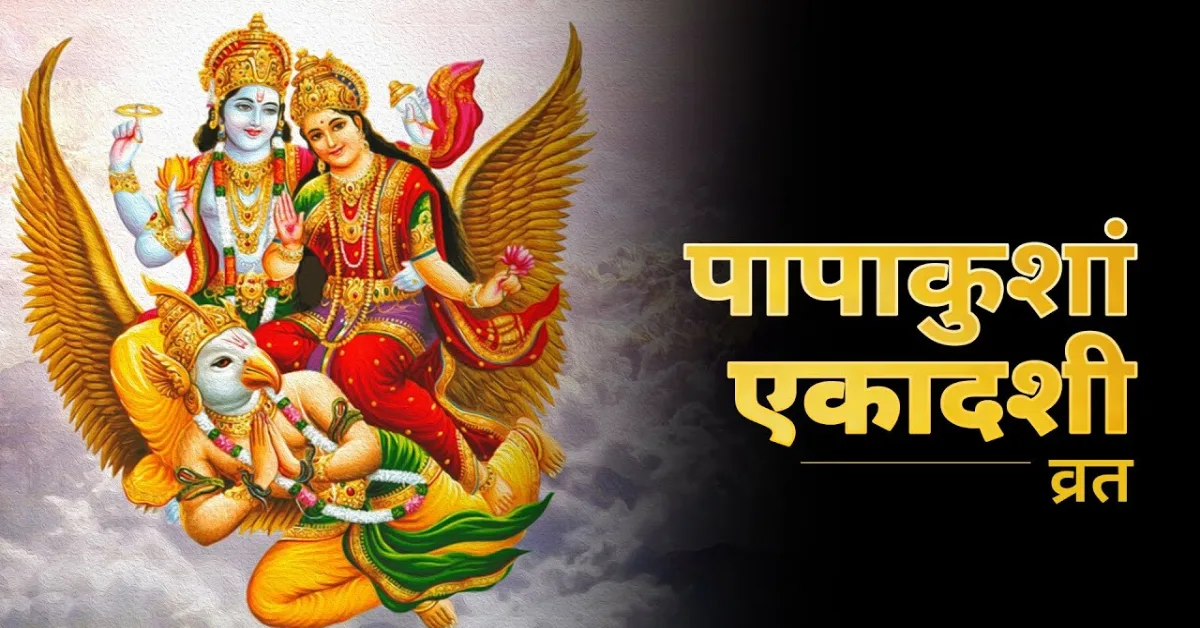
<p style="text-align: center;"><span style="color: #7d4219;"><strong><span style="font-family: 'book antiqua', palatino; font-size: 14pt;">Papankusha Ekadashi </span></strong></span><br><span style="color: #7d4219;"><strong><span style="font-family: 'book antiqua', palatino; font-size: 14pt;">(Ashwin Shukla Paksha)</span></strong></span></p>

Papankusha Ekadashi
(Ashwin Shukla Paksha)

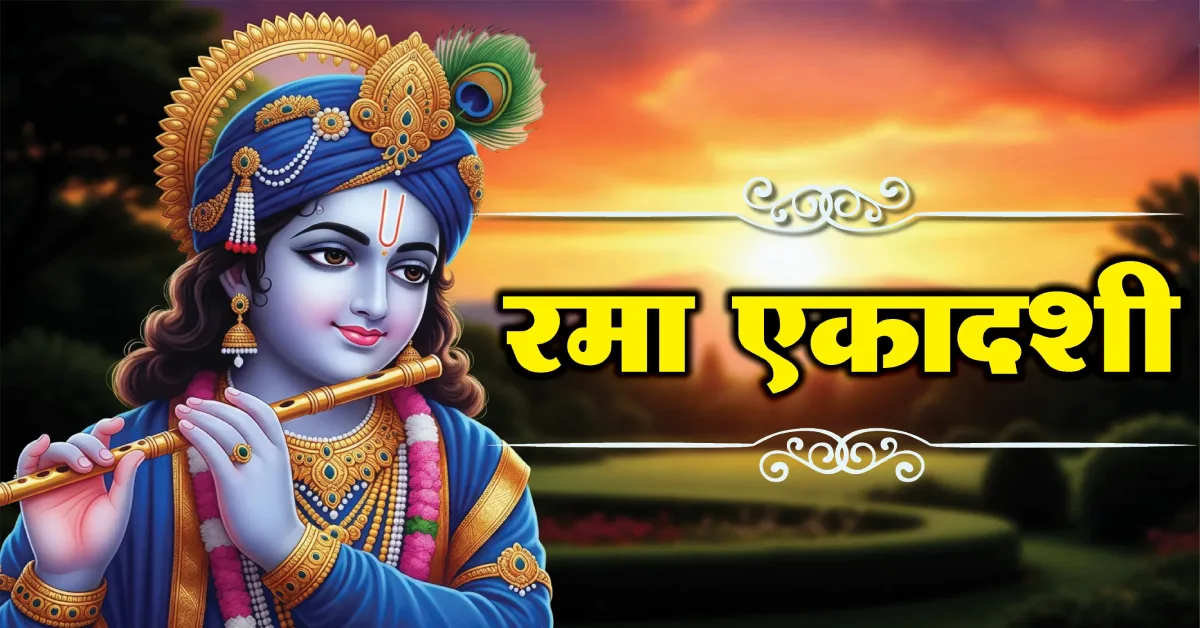
<p style="text-align: center;"><span style="color: #7d4219;"><strong><span style="font-family: 'book antiqua', palatino; font-size: 14pt;">Rama Ekadashi&nbsp;</span></strong></span><br><span style="color: #7d4219;"><strong><span style="font-family: 'book antiqua', palatino; font-size: 14pt;">(Kartik Krishna Paksha)</span></strong></span></p>

Rama Ekadashi 
(Kartik Krishna Paksha)

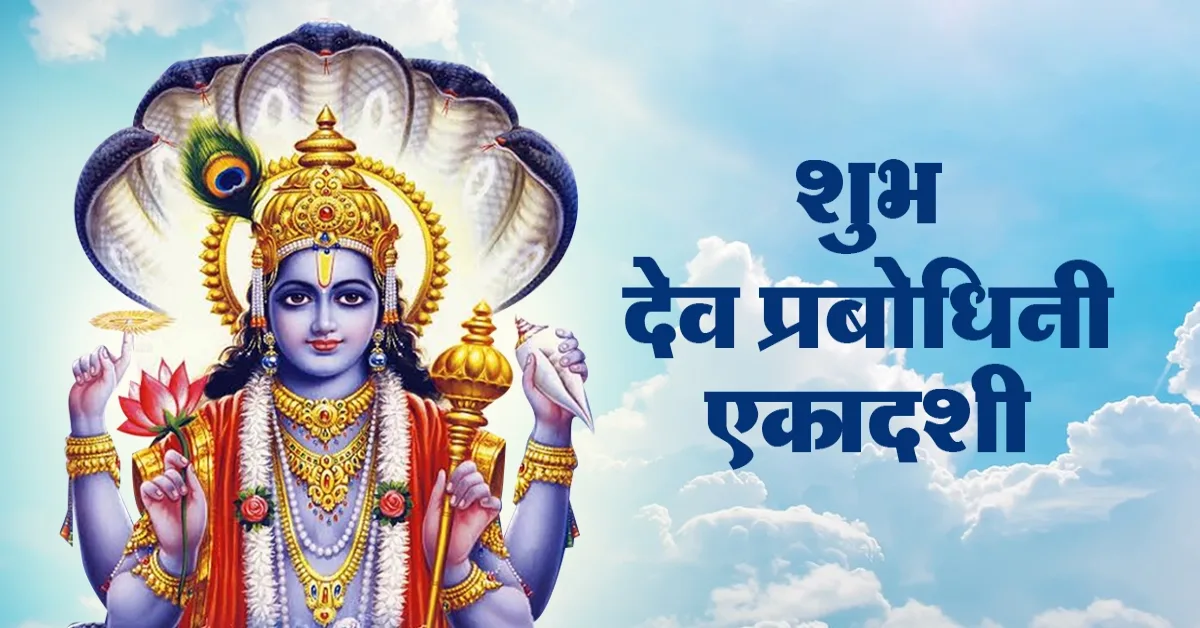
<p style="text-align: center;"><span style="color: #7d4219;"><strong><span style="font-family: 'book antiqua', palatino; font-size: 14pt;">Prabodhini Ekadashi </span></strong></span><br><span style="color: #7d4219;"><strong><span style="font-family: 'book antiqua', palatino; font-size: 14pt;">(Kartik Shukla Paksha)</span></strong></span></p>

Prabodhini Ekadashi
(Kartik Shukla Paksha)

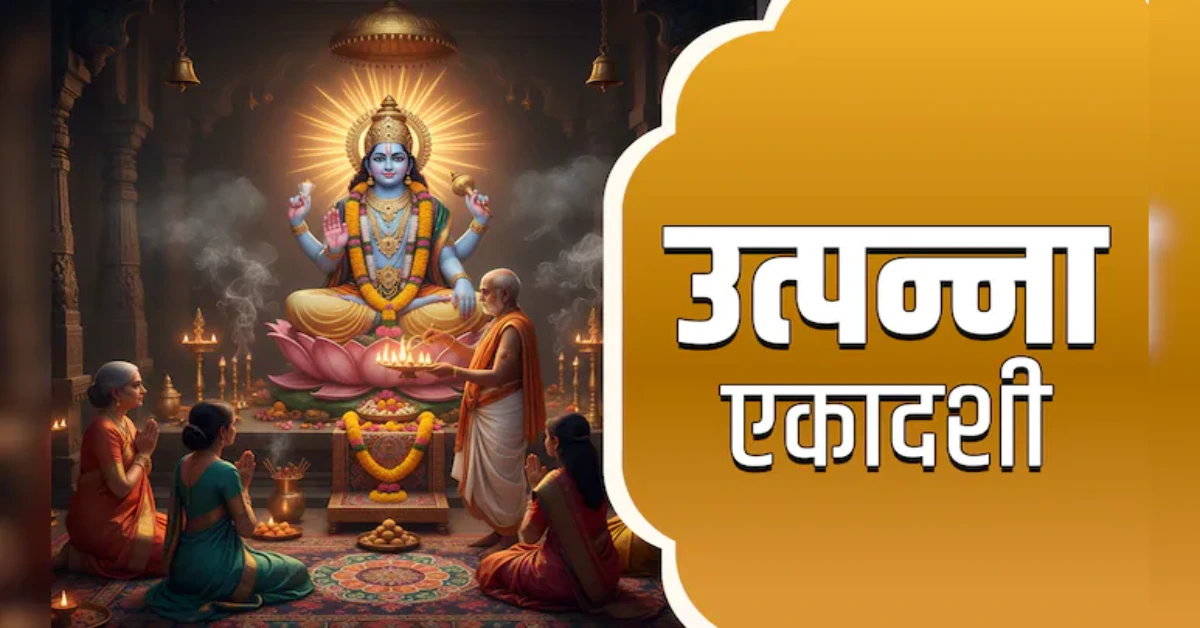
<p style="text-align: center;"><span style="color: #7d4219;"><strong><span style="font-family: 'book antiqua', palatino; font-size: 14pt;">Utpanna Ekadashi <br>(Margashirsha Krishna Paksha)</span></strong></span></p>

Utpanna Ekadashi
(Margashirsha Krishna Paksha)

<p style="text-align: center;"><span style="color: #7d4219;"><strong><span style="font-family: 'book antiqua', palatino; font-size: 14pt;">Mokshada Ekadashi </span></strong></span><br><span style="color: #7d4219;"><strong><span style="font-family: 'book antiqua', palatino; font-size: 14pt;">(Margashirsha Shukla Paksha)</span></strong></span></p>

Mokshada Ekadashi
(Margashirsha Shukla Paksha)

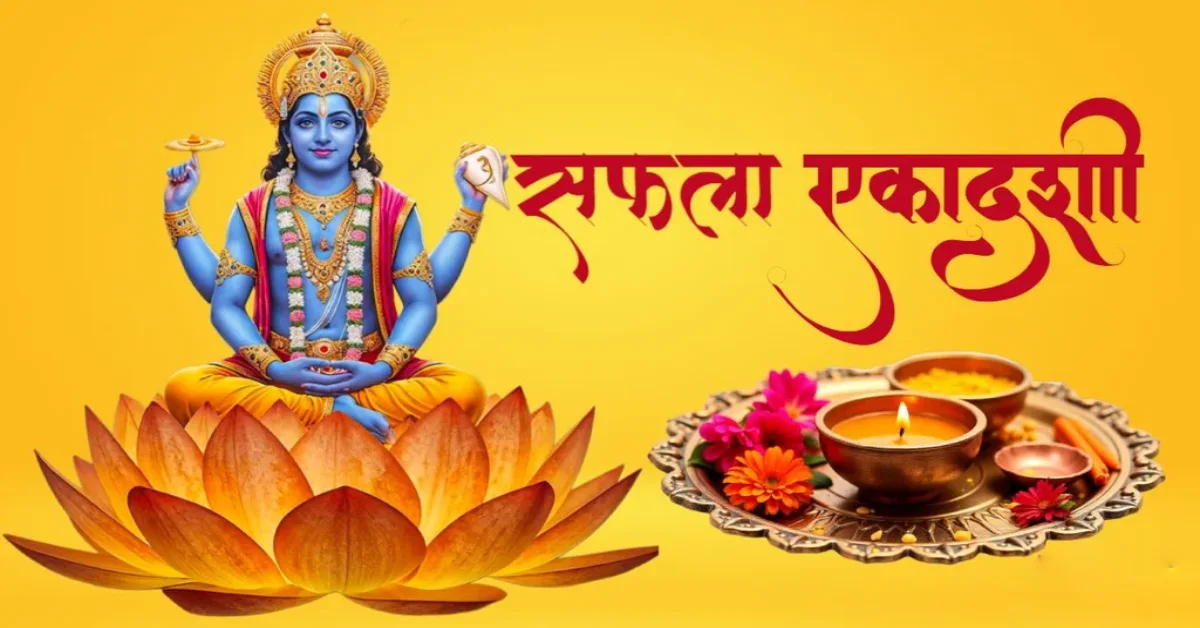
<p style="text-align: center;"><span style="color: #7d4219;"><strong><span style="font-family: 'book antiqua', palatino; font-size: 14pt;">Saphala Ekadashi </span></strong></span><br><span style="color: #7d4219;"><strong><span style="font-family: 'book antiqua', palatino; font-size: 14pt;">(Pausha Krishna Paksha)</span></strong></span></p>

Saphala Ekadashi
(Pausha Krishna Paksha)

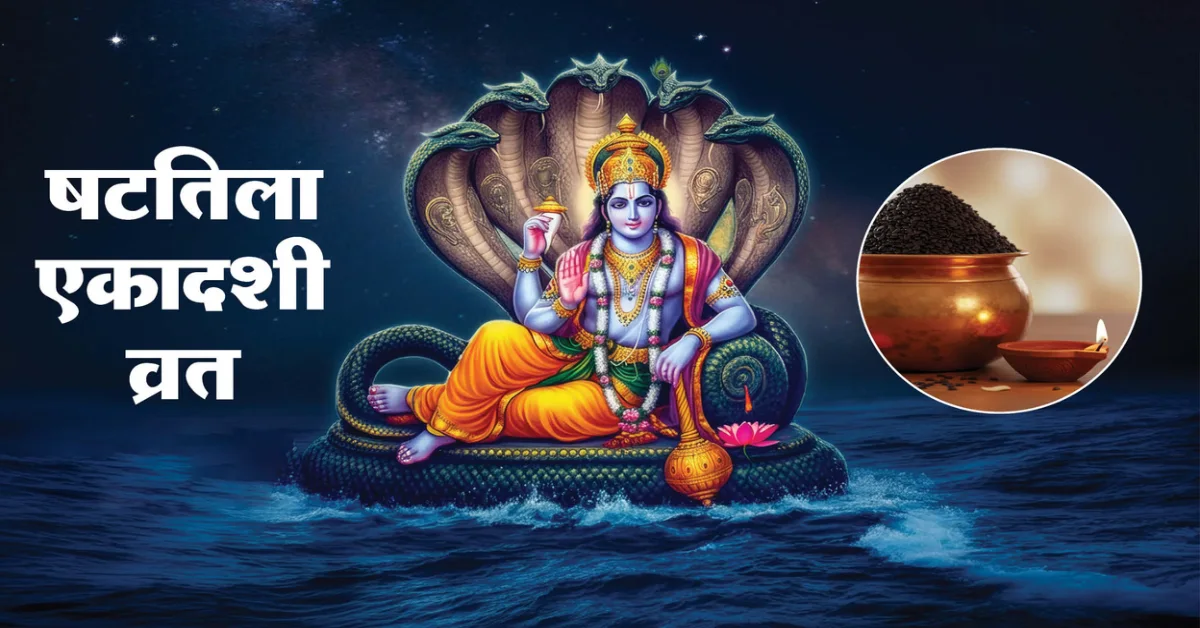
<p style="text-align: center;"><span style="color: #7d4219;"><strong><span style="font-family: 'book antiqua', palatino; font-size: 14pt;">Shattila Ekadashi </span></strong></span><br><span style="color: #7d4219;"><strong><span style="font-family: 'book antiqua', palatino; font-size: 14pt;">(Magh Krishna Paksha)</span></strong></span></p>

Shattila Ekadashi
(Magh Krishna Paksha)

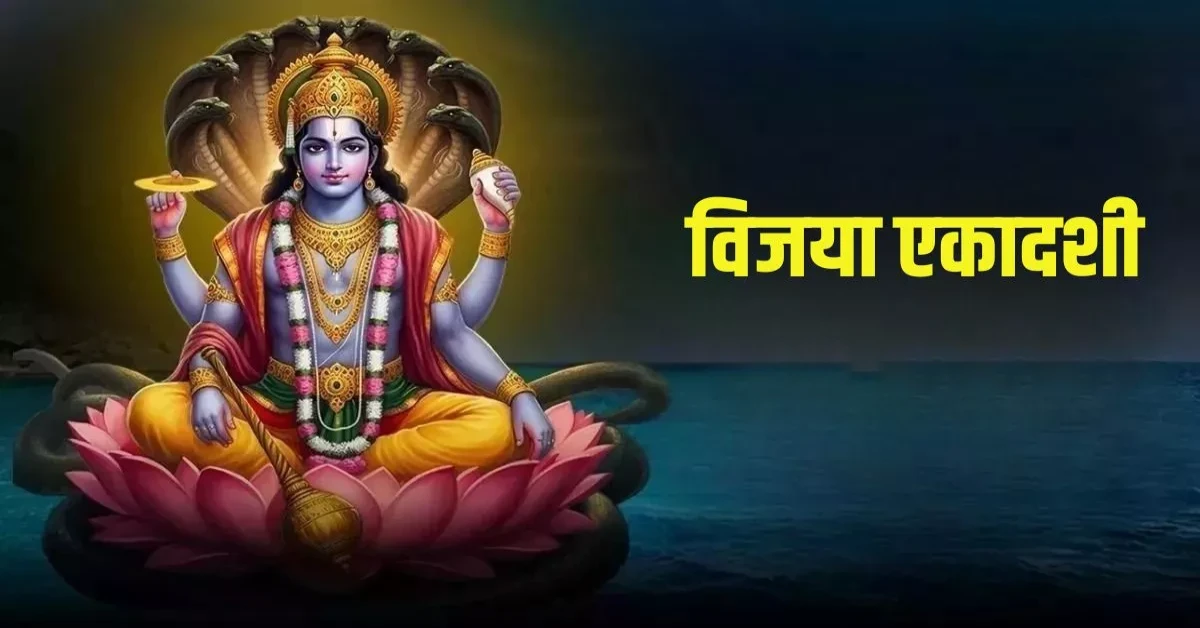
<p style="text-align: center;"><span style="color: #7d4219;"><strong><span style="font-family: 'book antiqua', palatino; font-size: 14pt;">Vijaya Ekadashi </span></strong></span><br><span style="color: #7d4219;"><strong><span style="font-family: 'book antiqua', palatino; font-size: 14pt;">(Phalguna Krishna Paksha)</span></strong></span></p>

Vijaya Ekadashi
(Phalguna Krishna Paksha)

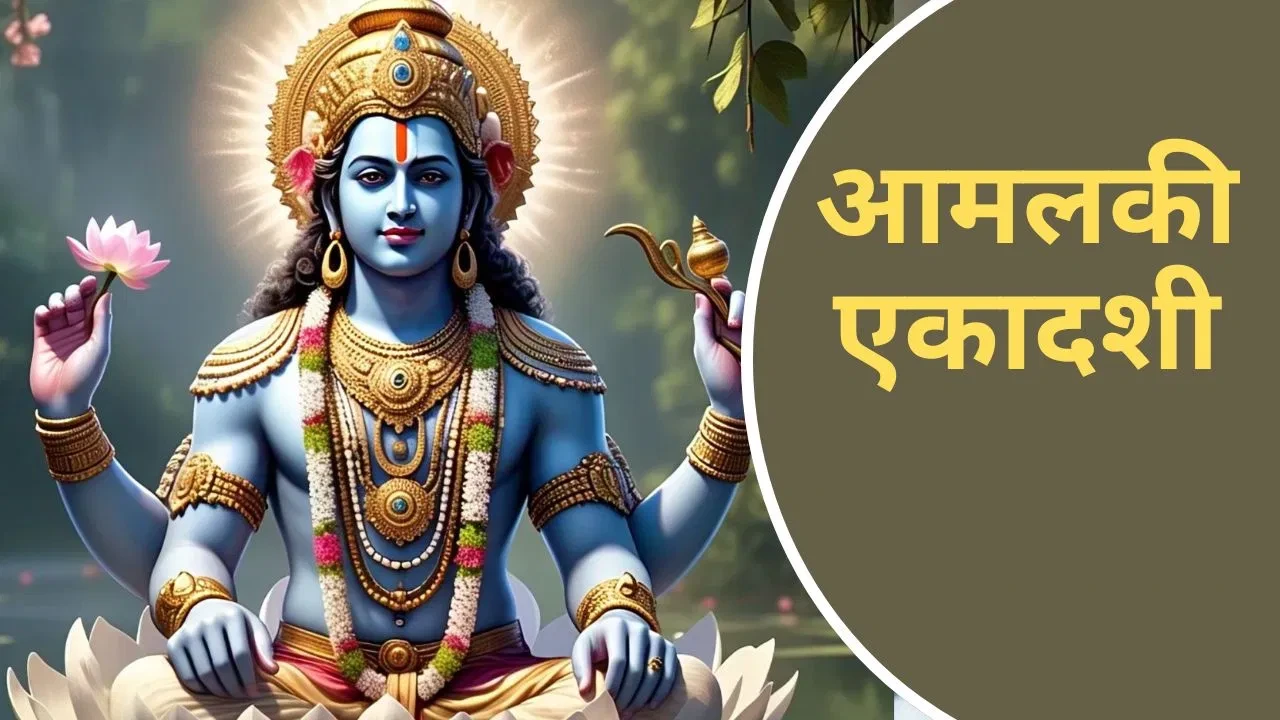
<p style="text-align: center;"><span style="color: #7d4219;"><strong><span style="font-family: 'book antiqua', palatino; font-size: 14pt;">Amalaki Ekadashi </span></strong></span><br><span style="color: #7d4219;"><strong><span style="font-family: 'book antiqua', palatino; font-size: 14pt;">(Phalguna Shukla Paksha)</span></strong></span></p>

Amalaki Ekadashi
(Phalguna Shukla Paksha)

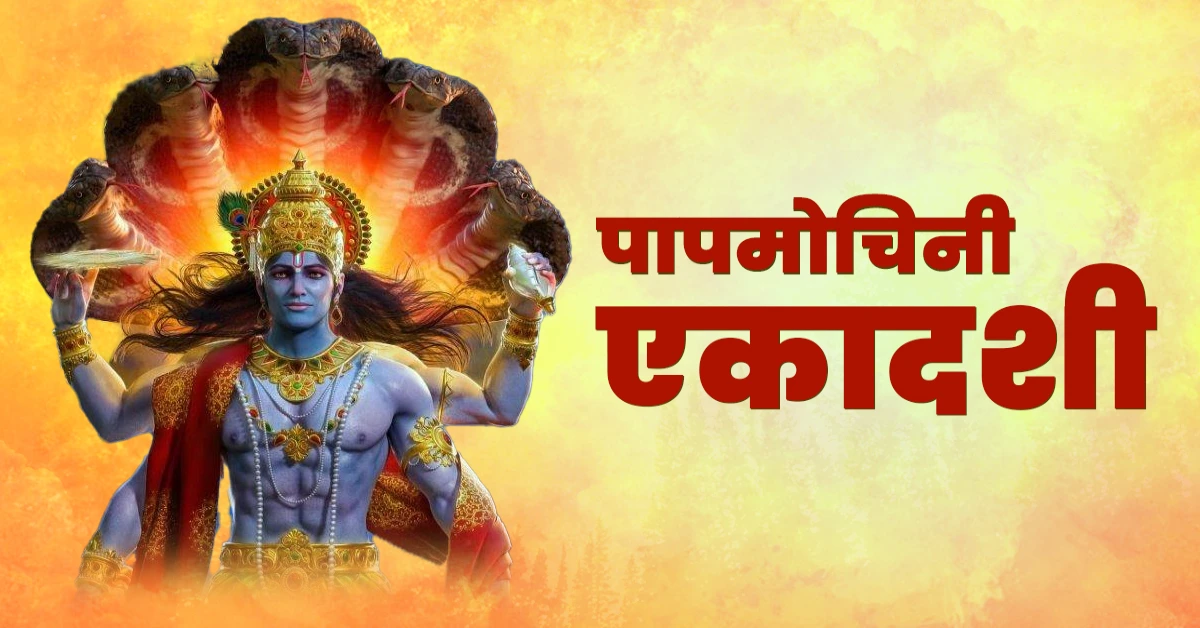
<p style="text-align: center;"><span style="color: #7d4219;"><strong><span style="font-family: 'book antiqua', palatino; font-size: 14pt;">Papmochani Ekadashi </span></strong></span><br><span style="color: #7d4219;"><strong><span style="font-family: 'book antiqua', palatino; font-size: 14pt;">(Chaitra Krishna Paksha)</span></strong></span></p>

Papmochani Ekadashi
(Chaitra Krishna Paksha)

Featured

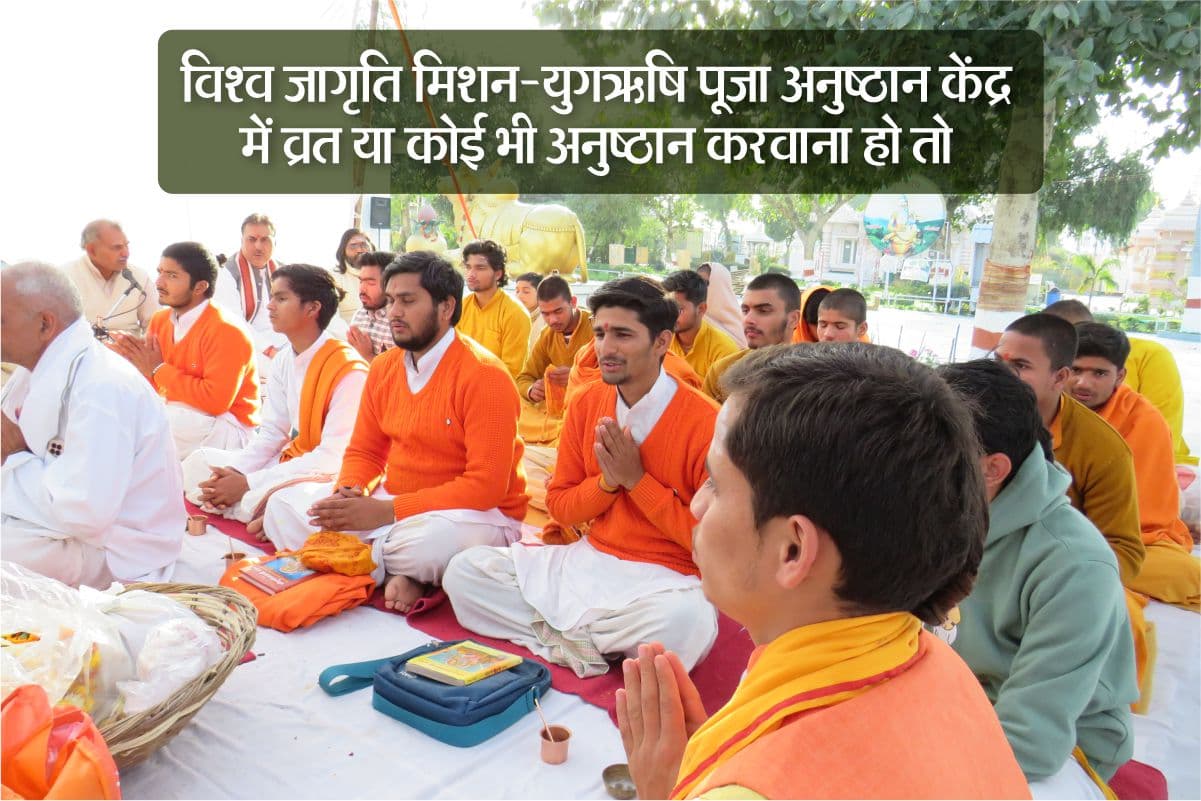
Why Choose Yugrishi Puja Evam Anusthan Kendra for Ekadashi Vrat Anusthan?

  • Scripture-Based Rituals 
  • Experienced & Learned Priests
  • Personalized Sankalp 
  • Pure & Sattvic Puja Samagri
  • Peaceful Spiritual Environment
  • Flexible Puja Options 
  • Trust, Devotion & Responsibility
  • Guru-guided spiritual discipline

Choosing us for Ekadashi Vrat Anusthan means embracing a sacred journey of self-purification, devotion to Lord Vishnu, and spiritual upliftment through authentic and heartfelt worship.
Daan Se Dosh Nivaran - The Ancient Key to Karmic Purification

In Hindu scriptures, charity (Daan) is described as the highest form of atonement (Prayashchit). When a person faces challenges in life such as planetary afflictions, Pitru Dosha, Kaal Sarp Dosha, financial difficulties, or family discord, charity becomes a powerful means of earning merit (punya) and removing negative karmic influences.


Charity is not limited to giving clothes, food, or money alone; it also signifies the renunciation of ego, negative energies, and attachment. When an individual offers a cherished possession or wealth to a deserving recipient with sincerity, the soul is purified and karmic bonds begin to dissolve. Through acts of charity, balance among planetary influences is also restored.
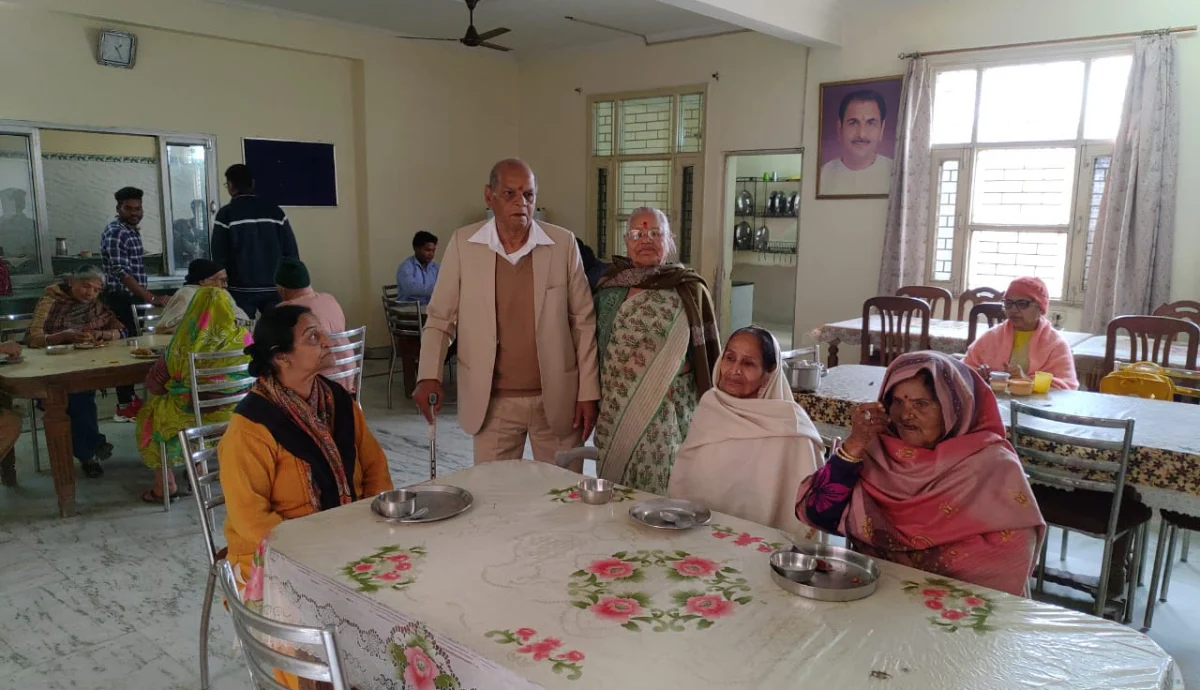
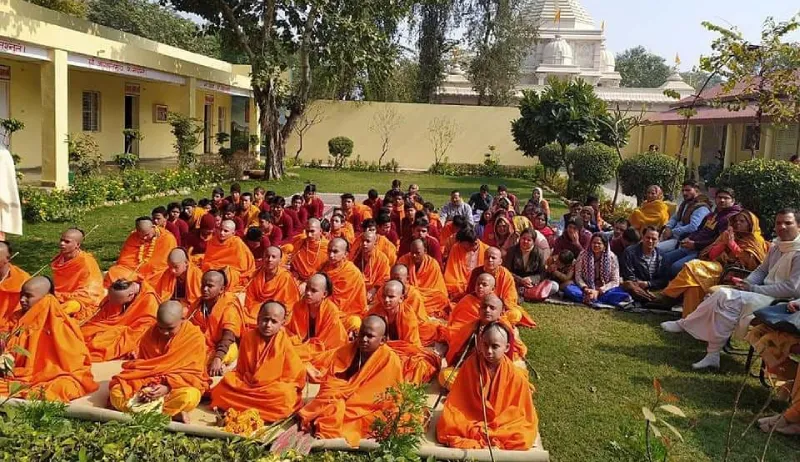
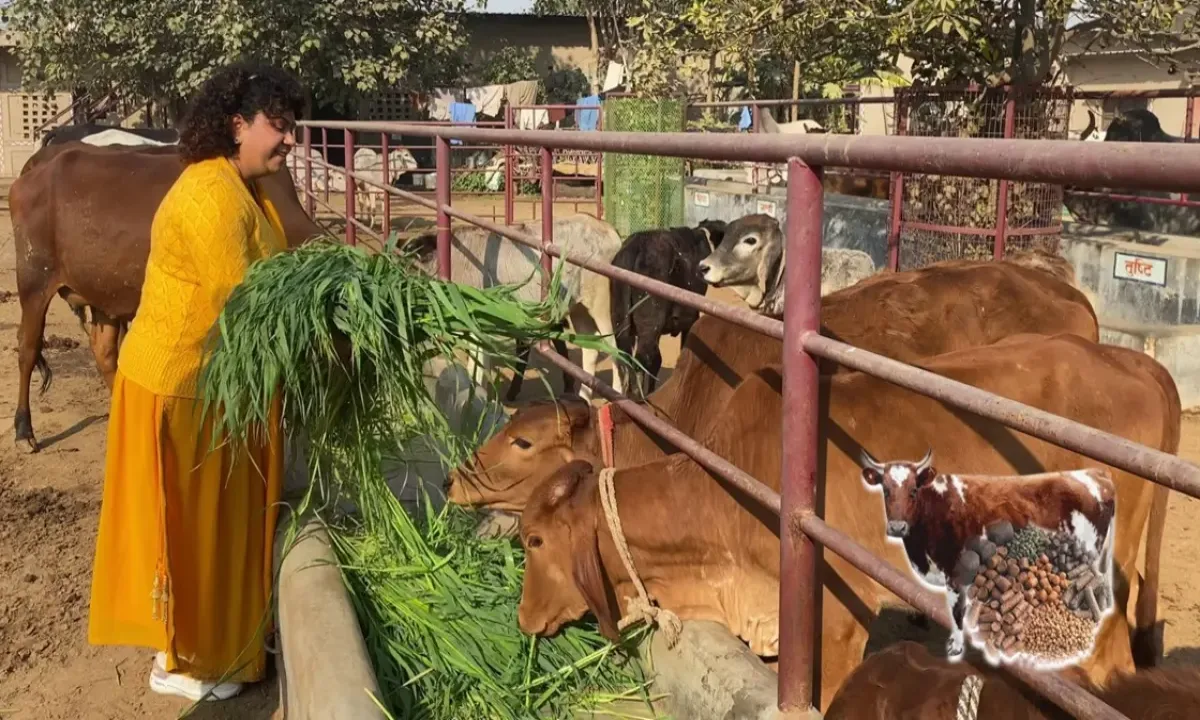
<p style="text-align: left;"><span style="color: #7d4219;"><strong><span style="font-family: 'book antiqua', palatino; font-size: 14pt;">Feed cow grass to mother cow</span></strong></span></p>

Feed cow grass to mother cow

Support Cow Feeding - Lovingly nourish and care for our sacred Mother Cow.
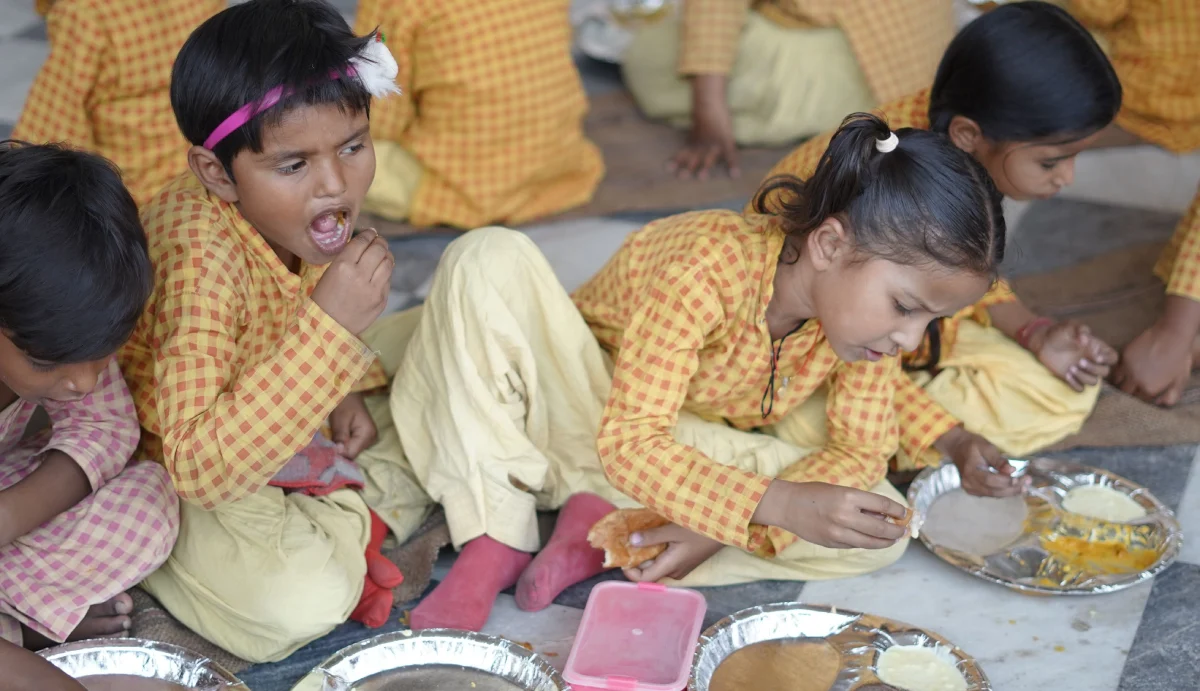
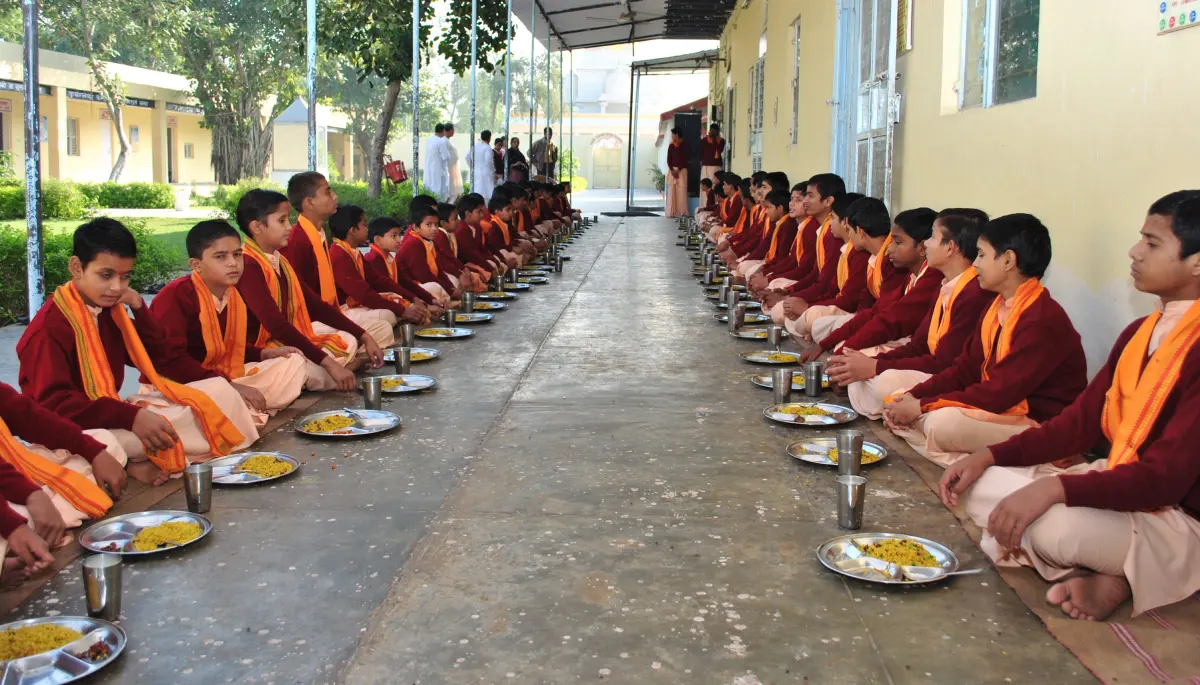
<p style="text-align: center;"><span style="color: #7d4219;"><strong><span style="font-size: 14pt;"><span style="color: #681409; font-family: book antiqua, palatino;">Mid-Day Meal for Girl Child</span></span></strong></span></p>

Mid-Day Meal for Girl Child

Support a girl’s future—sponsor nutritious mid-day meals for her.
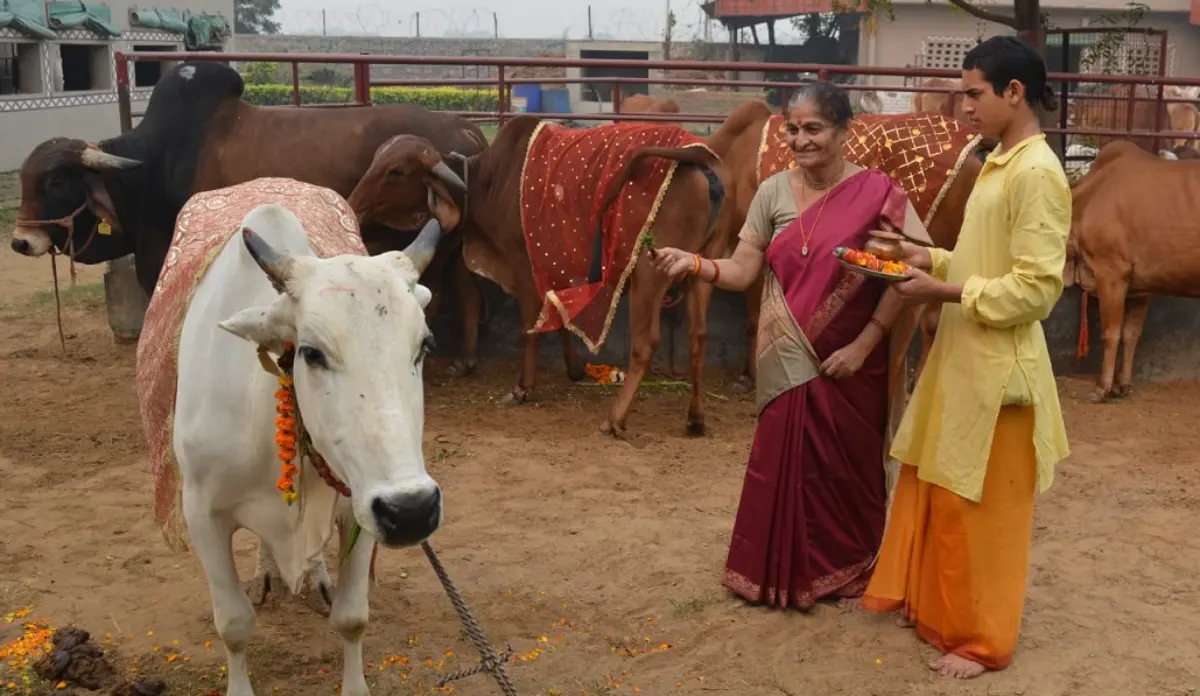
<p style="text-align: center;"><span style="color: #7d4219;"><strong><span style="font-family: 'book antiqua', palatino; font-size: 14pt;">Gau Daan - Donate a cow&nbsp;</span></strong></span></p>

Gau Daan - Donate a cow 

Gau Daan is the most powerful and pure donation anyone can do in their lifetime.

error
error